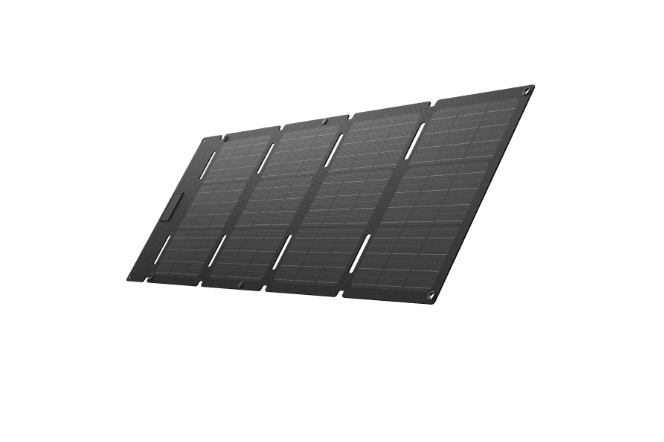
45W Portable Solar Panel
Ultralight Type-C panel for TRAIL and RIVER 3.
Pairs well with: TRAIL 200 DC, TRAIL 300 DC
$75
View details
CHARGE OFF-GRID
From a 45W panel that folds into a backpack to a 400W array for the DELTA Pro line, pick based on how fast you need to recharge, not just your station.
Ultralight Type-C panel for TRAIL and RIVER 3.
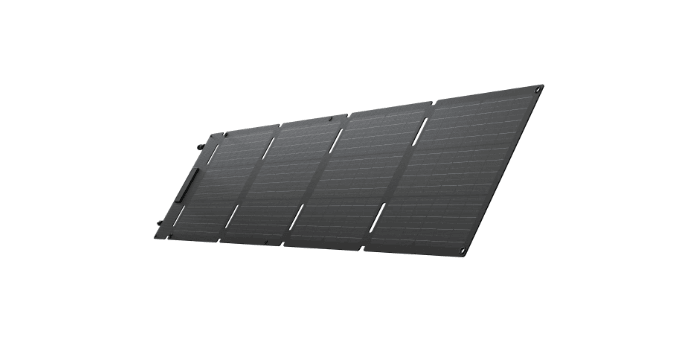
A step up in wattage, still pocket-sized. Type-C direct charging.
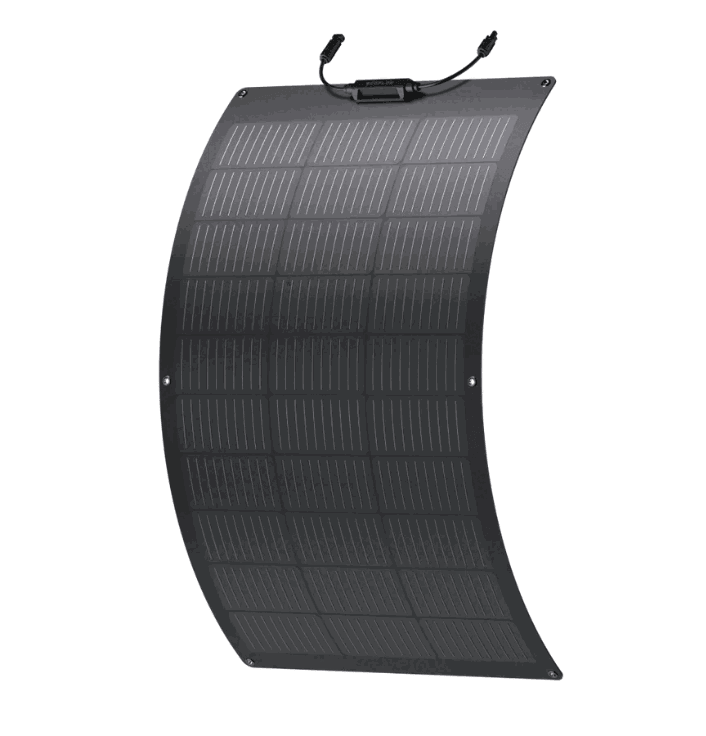
258° flexible, bends to fit curved surfaces like RV roofs.
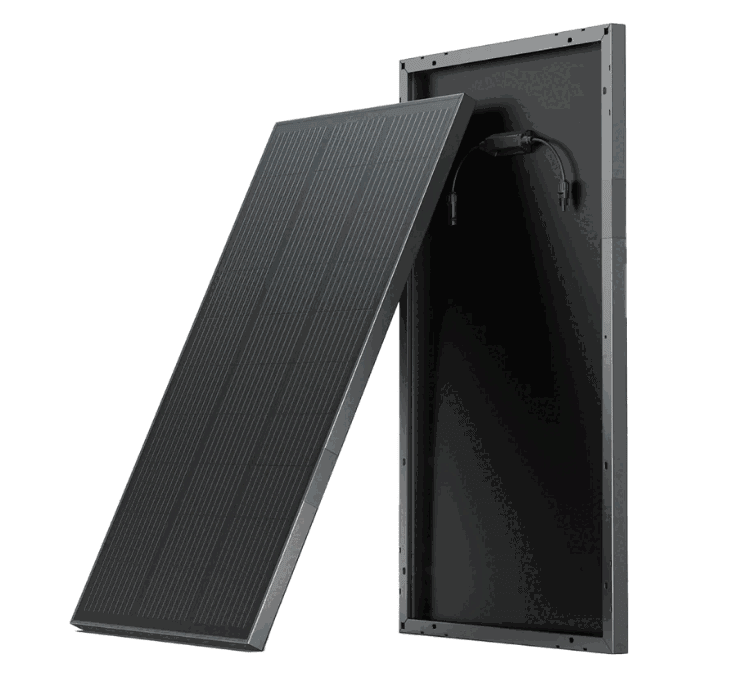
All-black rigid panels for permanent van or home mounting.
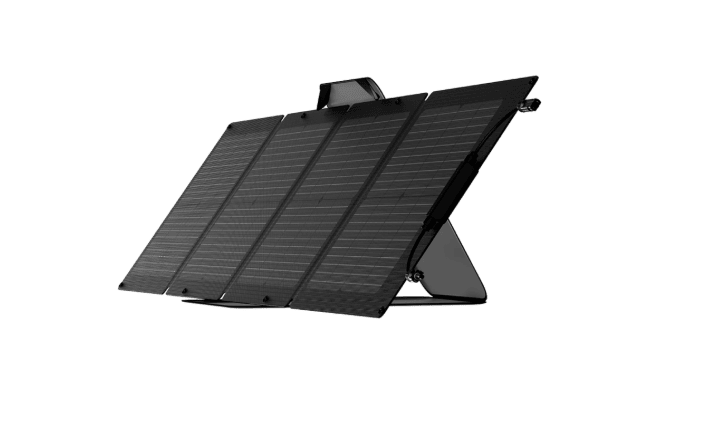
The standard match for the RIVER series.
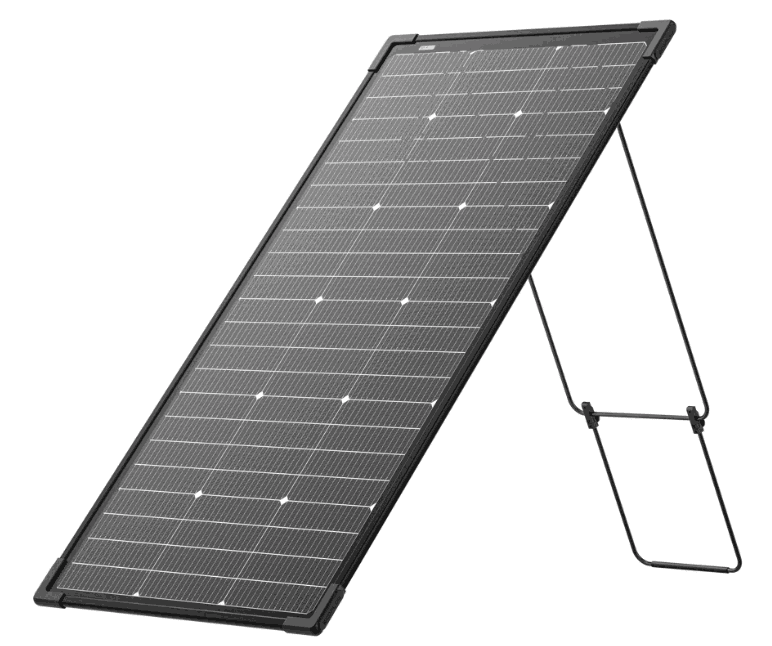
Modular, chain up to 8 panels (1000W total) for scalable solar arrays.
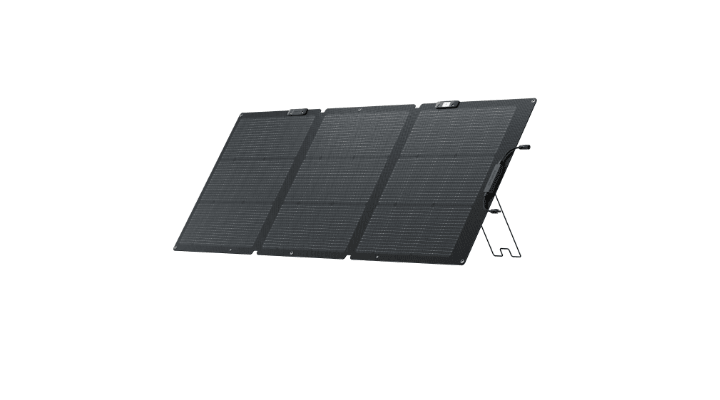
Efficient mid-size panel for the DELTA 3 line.
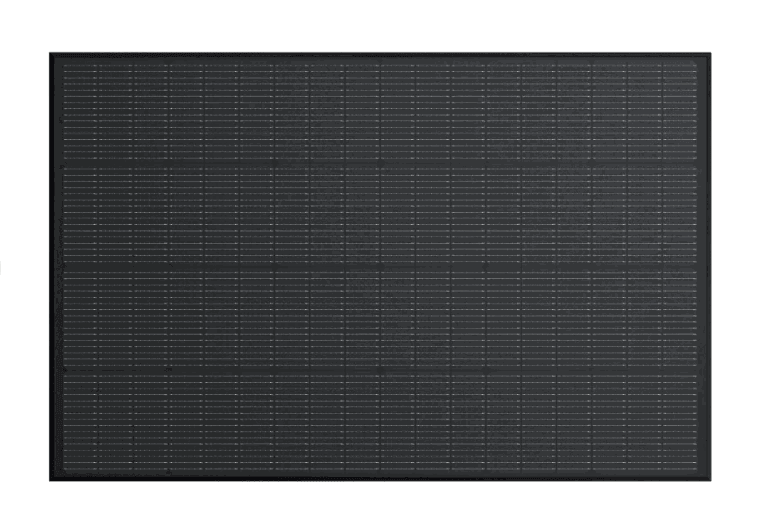
For permanent installs, Class B vans and home roof mounting.
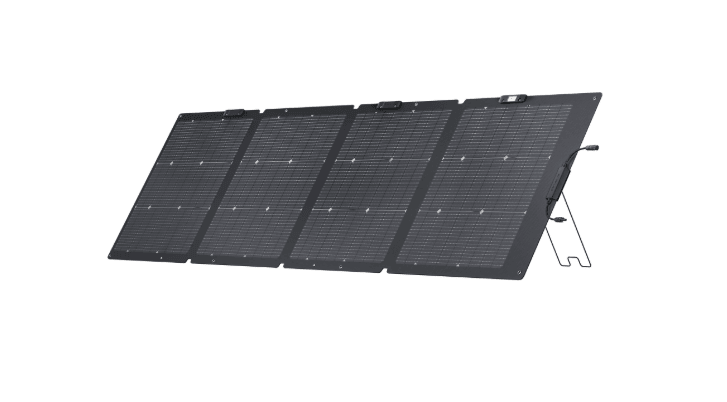
Captures reflected light for up to 25% more energy.
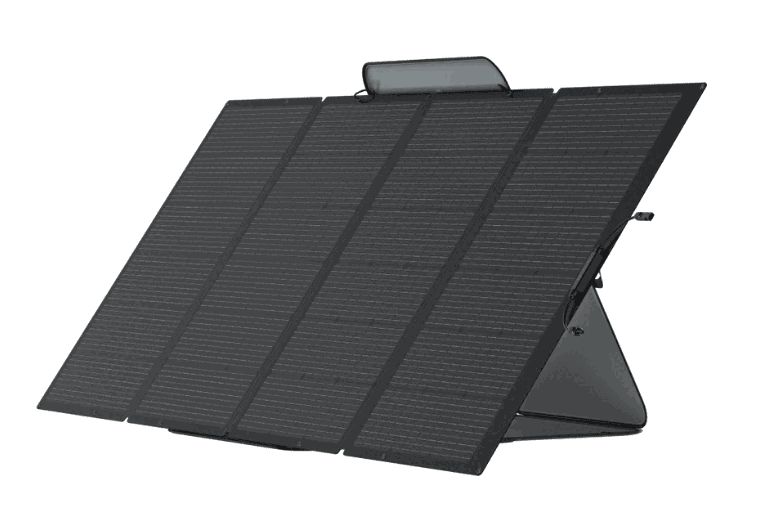
The fastest way to solar-charge the DELTA Pro line.
BUYING GUIDE
Our EcoFlow portable solar panels range from 45W to 400W, in ultralight foldable, flexible and rigid designs. Pairing a panel with your power station lets you recharge away from mains power, which matters for camping, RV trips, long outages and off-grid cabins.
Two limits decide how much a panel can do for you. First, your power station has a maximum solar input, so a panel larger than that input will not charge it any faster. Second, real-world output is normally well below the rated wattage because of sun angle, clouds, heat and cable losses. As a rough guide, a 100W panel in about five hours of good sun might add somewhere around 300 to 400Wh.
Small panels of 45W to 60W suit ultralight and USB-C setups such as the TRAIL and smaller RIVER stations. Panels of 100W to 220W suit RIVER and DELTA stations for weekend trips and backup. The 400W panel is the fastest way to solar-charge larger DELTA Pro systems. Flexible panels bend to fit curved surfaces such as RV roofs, while rigid panels are sturdier for fixed or ground setups.
Every product page lists which power stations a panel pairs with, so check that before ordering.
Related reading: Solar basics · How to charge a power station · Off-grid sizing guide
Match the panel to your station's maximum solar input, and to how much energy you use per day. A larger panel charges faster only up to that input limit. Ask us if you want help choosing.
Rated watts are measured in ideal lab conditions. In real use, sun angle, clouds, temperature and cable losses reduce output, so expect noticeably less than the label.
Flexible panels are light and bend to fit curved surfaces such as RV roofs. Rigid panels are sturdier and better for ground or fixed setups.
Each solar panel page lists the EcoFlow stations it pairs with. Check the compatible models and the station's maximum solar input before you order.